Stage 1 and Stage 2 remaps in South London, health check first

We do two things here: Stage 1 and Stage 2 remaps, and we do neither until the car has passed a health check. We do not remove, disable or map out diesel particulate filters, EGR systems or AdBlue, for anybody, at any price. That is not a policy we are apologetic about: deleting emissions equipment is illegal on a road car, it fails the MOT, and it makes the car harder to insure and harder to sell. What is left after those rules is still worth having on a healthy turbocharged engine.

  • ★★★★★ 4.9/5 from 87 Google reviews
  • From £220 · 2–4 hours
  • Mon–Sat 8am–8pm
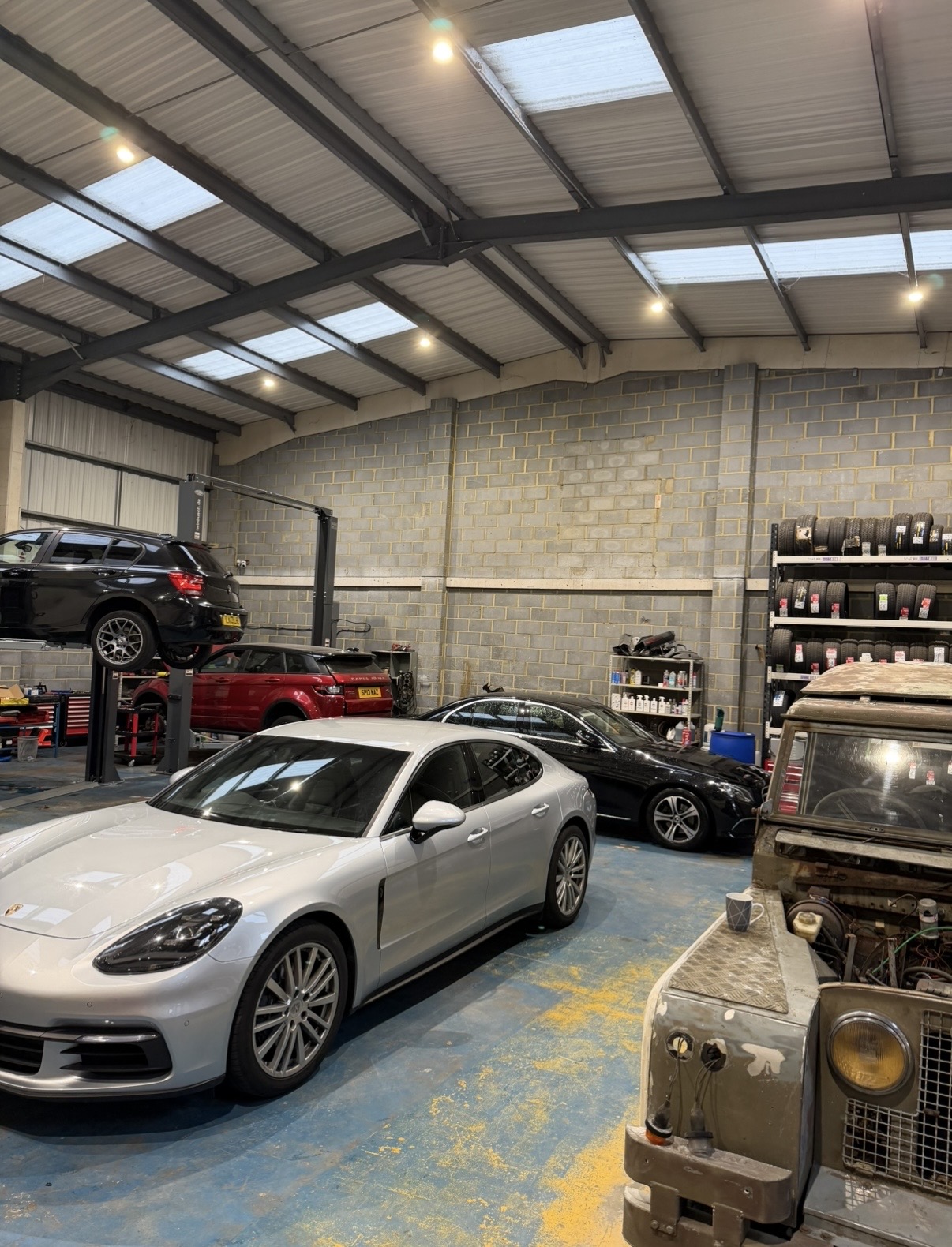
Porsche Panamera in the workshop at KITH Cars Garage & Bodyworks, Hackbridge
From £220Written quote before we start
2–4 hoursTypical time in the workshop
3 monthsWorkmanship warranty
17 areasCollection across South London

Health check before any software

The car is scanned and driven before a file is read, and if it is not fit for more torque we say so. Writing a map onto a tired engine only brings its problems forward.

Your original file saved twice

The standard software is read out and stored before anything is changed, with a backup kept separately. It can be put back whenever you want it back.

No DPF, EGR or AdBlue deletes

Every emissions system stays fitted and working. We will not write delete software or fit emulators, and we will tell you plainly why when we are asked.

Mapped to your drivetrain

Boost, fuelling and torque limits are set around what your clutch, gearbox and cooling can take. The aim is a car that still works in three years, not a headline figure.

How we handle ECU remap at Hackbridge

The first part of the job is a conversation, and some of it is about paperwork rather than engines. We ask what the car is for, because a van that tows daily and a weekend car want the torque in different places. We ask whether the car is on finance, PCP or a lease, since modifying a vehicle you do not yet own causes real trouble at handback. We also ask you to speak to your insurer before the booking rather than after it. And we will not quote a power figure we have not measured on your car: we talk about how it will drive and where the pull arrives.

The write itself is done with the car on a stable supply. A voltage dip part way through writing a control module can leave it unusable, and recovering a bricked ECU is a far bigger job than the remap ever was, so a support unit goes on the battery before anything is read. Your original file is saved and a second copy kept away from the laptop that wrote it. Where the ECU is locked and has to come out to be read on the bench, we tell you before you commit, and where a newer module cannot be written yet, we say so and you keep your money.

The limits are set by the car, not the software. We map within the torque the clutch, gearbox, cooling system and turbo can live with, rather than the highest number the file will accept, and if the health check finds a boost leak, a misfire or a clutch that already slips, that gets fixed before any map is written. We do not fit plug-in tuning boxes, which work by feeding the engine false sensor readings. Remapping starts from £220, and the quote sets out the health check and the map separately so you can see what you are paying for.

ECU Remapping: what’s involved

The engine control unit (ECU) decides how much fuel to inject, how much boost the turbo makes and when to ignite the mixture, using maps written by the manufacturer. Those maps are often set conservatively so one engine can suit different markets, fuel qualities and power ratings. A remap adjusts them within safe limits for boost, fuelling and timing to give more torque and a stronger mid-range, and on some diesels it can improve economy when driven gently.

A remap only works well on a healthy engine. Worn injectors, a boost leak, a slipping clutch or a tired dual mass flywheel will show up quickly once there is more torque going through them. That is why we check the car first and remap it within the limits of its drivetrain. A Stage 1 remap is software only on a standard car. Stage 2 goes further and relies on supporting hardware upgrades.

Is a remap right for your car?

Turbocharged engine

Remapping delivers worthwhile gains on turbo petrol and diesel engines, where boost can be adjusted. Naturally aspirated engines gain very little.

Flat mid-range or towing

More low and mid-range torque makes overtaking easier and helps vans and cars that tow or carry heavy loads.

Engine in good health

The engine should be free of fault codes, boost leaks and misfires, with a clean service history. We check this before any software is written.

Clutch and flywheel up to the job

A clutch or dual mass flywheel already near the end of its life may slip or fail under extra torque. We check for slip and judder before remapping.

ECU that can be remapped

Some newer ECUs are locked or need to be removed and read on the bench. We confirm what is possible for your exact car before quoting.

Happy to tell your insurer

A remap is a modification and must be declared to your insurer. If you can't or won't declare it, a remap isn't right for you.

When should it be done?

The best time to remap is when the car is in good mechanical condition, freshly serviced and with no outstanding faults. If the clutch, dual mass flywheel or injectors are due for replacement, do that first, and consider an uprated clutch if the gain in torque is large. Check with your insurer before booking, and bear in mind that if the car is still under manufacturer warranty, a remap may affect claims on related parts.

  • After a service, with no fault codes or boost leaks present
  • When the clutch and dual mass flywheel are in good condition, or after replacing them
  • After confirming cover with your insurer
  • Stage 2 only once the supporting hardware is fitted

How we remap an ECU

  1. ConsultationWe discuss how you use the car and what you want from it, confirm the exact engine and ECU, and explain what gains are realistic and safe.
  2. Health checkWe scan all modules for faults and check live data for boost, fuel pressure, injector corrections and misfire counts, and check the clutch for slip.
  3. Fix any issues firstIf we find a fault that would make a remap unsafe, we quote to fix it first. We won't remap a car that isn't ready.
  4. Read and save the originalWe read the ECU through the diagnostic port, or on the bench where the ECU requires it, and keep a copy of the original software.
  5. Write the new mapThe adjusted map is written to the ECU with boost, fuelling, timing and torque limits set to suit the engine, gearbox and clutch. Emissions systems remain active.
  6. Data logging and road testWe road test the car while logging live data to confirm boost, fuelling and temperatures are within safe limits and there is no clutch slip.
  7. HandoverWe explain the changes and remind you to declare the remap to your insurer. The original software can be restored if you ever need it.

Software and supporting hardware

A Stage 1 remap needs no new parts, just a healthy engine. Stage 2 relies on hardware that lets the engine cope with more power, such as an uprated intercooler or intake. Any exhaust changes must keep the catalytic converter or DPF in place. Where the clutch is the limit, we can fit a new or uprated clutch and flywheel from reputable OE suppliers such as LuK or Sachs, depending on what is available for the car. We do not remove DPFs, EGR valves or AdBlue systems.

  • Stage 1: software only on a standard, healthy engine
  • Stage 2: supporting hardware such as an uprated intercooler or intake
  • Uprated clutch and flywheel where torque capacity is a concern
  • Original ECU software saved for reinstatement

How long it takes

2–4 hours

Most remaps, including the health check and road test, take two to four hours. Cars whose ECU must be removed and read on the bench, or that need faults fixed first, take longer.

What’s included

  • Pre-remap diagnostic health check
  • Clutch slip check
  • Backup of the original ECU software
  • Stage 1 or Stage 2 map suited to the car
  • Road test with live data logging
  • Original software restorable on request

What people get wrong about ECU remap

Choosing on the biggest quoted figure

Anyone can write a larger number into a file. What matters is where the torque arrives, whether the gearbox and cooling can live with it, and how the car behaves on a hot day in traffic rather than on a single hard pull.

Remapping to cure a fault

A car that feels flat is usually telling you about a split boost pipe, a sticking turbo actuator or a blocked filter. Writing more fuelling over the top of that masks it briefly and then makes the underlying fault worse.

Expecting the fuel bills to fall

The theory works only if you drive exactly as you did before, which almost nobody does once the car pulls harder. Treat any economy gain as a bonus rather than the reason for doing it.

Stacking a tuning box on top

A box works by altering the signals the ECU relies on, so running one alongside a map leaves two systems each correcting for the other. Rail pressure and boost can end up well outside what either intended.

Price your ECU remap now

Enter your reg and we’ll look up your car, then price the job from our own labour rates and the book time for your model. Nothing is booked until you say so, and the written quote comes before any work.

  • Free, about 30 seconds, no sign-up
  • Parts, labour and VAT included
  • 3-month workmanship warranty
  • Collection and delivery across South London
“It’s rare to find a garage you can truly trust. Fair price, brilliant customer service.”Thinushan K. · ★★★★★ Google

Prefer to talk? Call 020 4629 9469 or WhatsApp us.

Loading instant quote…

ECU Remapping: your questions answered

What happens if the health check finds a problem?

We stop, show you what we found and quote to put it right. Nothing is written to your ECU until the car is fit for the extra torque, and you are free to have the repair done, have it done elsewhere, or simply not go ahead with the remap at all. The quote separates the check from the map for exactly that reason.

Can you remap a car on finance, PCP or a lease?

Technically yes, but read your agreement first. Most finance and lease contracts restrict modifications while the vehicle is not yours, and a remap found at handback or part-exchange can lead to charges. We can restore the original file before you hand the car back, though the ECU will still show that it has been reprogrammed, so the honest answer is to check with the finance company before booking.

Will a remap affect my MOT or emissions test?

Not with the way we do it. The particulate filter, EGR and AdBlue systems stay in place and working, so the car is tested exactly as it would have been before. A diesel that has been over-fuelled by a careless map can smoke on the test and fail for it, which is one more reason we map conservatively and road test with data logging afterwards.

Is the remap itself covered by a warranty?

Our three-month workmanship warranty covers the work we did, including the software we wrote and the way it was written. It is not mechanical breakdown cover: no garage can underwrite a clutch or turbo that was already near the end of its life, which is exactly why the health check comes first and why we will refuse the job if the car is not up to it.

Do I need to tell my insurer?

Yes. A remap is a modification that changes the car's performance and must be declared. If it isn't, your insurer may refuse to pay out after a claim. It's worth getting a quote from your insurer before you book.

What is the difference between Stage 1 and Stage 2?

Stage 1 is a software change on a standard car with no hardware changes. Stage 2 raises the limits further but depends on supporting upgrades, such as a better intercooler or intake, and usually a clutch able to take the extra torque. Any exhaust upgrades must keep the emissions equipment in place.

Will a remap damage my clutch or flywheel?

A good map keeps torque within what the drivetrain can handle, but every clutch and dual mass flywheel has a limit. If yours is already worn, extra torque will find it. That's why we check for slip first and may recommend an uprated clutch.

Can you remove the DPF, EGR or AdBlue while you're at it?

No. Removing or disabling emissions equipment is illegal for road use, can fail the MOT and can invalidate your insurance. Our remaps leave the DPF, EGR and AdBlue systems fully working.

Can the remap be reversed?

Yes, in most cases. We save your original software before writing the new map, so it can be restored later, for example before selling the car. A dealer may still be able to see that the ECU has been reprogrammed.

Book your ECU remap with KITH Cars

Quick booking below. Or call 020 4629 9469.

Written quote before any work begins
No surprises on collection.
3-month workmanship warranty
On every repair.
Pick-up & drop-off across South London
Croydon, Sutton, Mitcham & more.
Mon–Sat 8am–8pm
Call 020 4629 9469WhatsApp Us
1Service
2Details
3Your Info
4Booking

What do you need?

Choose a service to get started.

Your contact details

So we can confirm your booking and send your quote.

Choose a preferred date & time

We'll confirm availability when we get back to you.

Loading…
MonTueWedThuFriSatSun

We reply within 30 minutes  ·  Prefer to call? 020 4629 9469

Booking request sent!

We've received your enquiry and will confirm your preferred slot within 30 minutes. Check your inbox — or we'll call you shortly.

020 4629 9469

What our customers say

Rated 4.9 ★ on Google — 87+ reviews

★★★★★

“BMW 1 Series needed a new timing chain and clutch. Fair price, courtesy car offered. Stands out from most garages.”

Aaron Konadu
★★★★★

“Professional, no upselling, everything explained clearly. Work completed same day and car runs perfectly.”

Ziaur Rahman
★★★★★

“Rare to find a garage you can truly trust. Fair price, brilliant service.”

Thinushan Keitheswaran
Read all reviews on Google ★★★★★
Chat on WhatsApp