
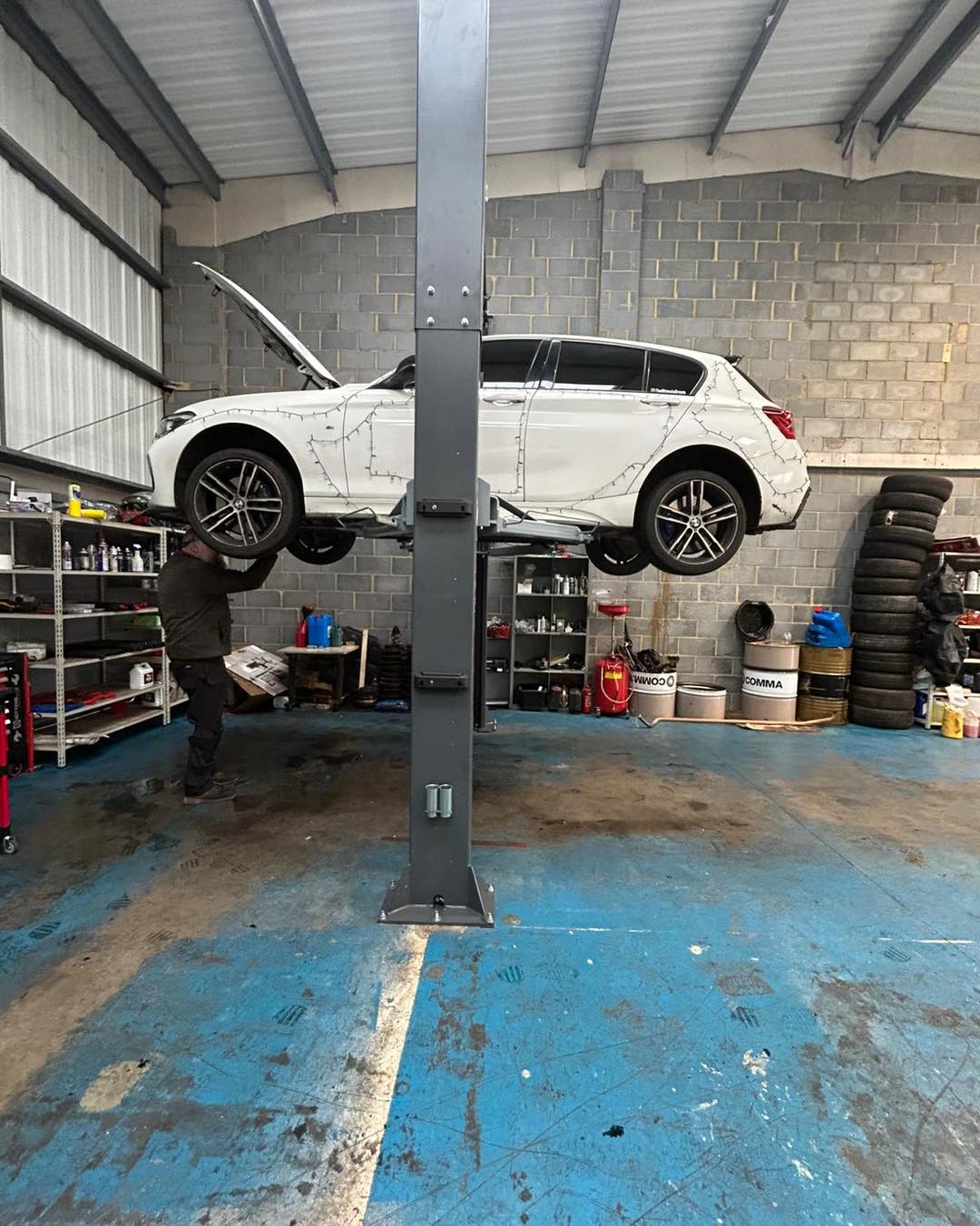
How we handle Alfa Romeo servicing and repairs at Hackbridge
An Alfa booking starts before the car arrives. We check what the schedule calls for at your mileage and age, whether the cambelt has a record behind it, and whether any of the parts are order-only, because a car sitting on a ramp waiting for a courier helps nobody. On the day, every module is read rather than just the engine. Fiat group cars spread functions across body, gateway and instrument modules, and a fault logged in one of those often explains a symptom the driver has been blaming on the engine.
The electrical side has its own discipline. When a control module is replaced on a Fiat group car it has to be written into the vehicle's configuration, the procedure Fiat and Alfa call Proxi alignment, or the network reports a module it was not expecting and warning lights appear that have nothing to do with the original repair. The same applies to anything else carrying a stored configuration. That work is part of the job here, rather than something a customer discovers when they collect a car with a fresh set of lights on the dash.
Oil is where MultiAir engines are decided. The actuator unit on top of the head uses engine oil as its hydraulic medium, so grade, specification and condition matter more than they would on a conventional engine. Oil left an extra few thousand miles, or topped up with whatever was on the shelf, shows itself in these engines long before it would in anything else. A cambelt does not go on here without its tensioner and idlers, and a book is not stamped for work that has not happened. The service is priced before the car comes in, and anything we find is a separate written quote you are free to decline.